
Pianos are complex musical instruments that can last for decades with proper care and maintenance. However, over time, pianos may start to show signs of wear and tear, affecting their performance and overall appearance. This is where piano refurbishment comes in. Piano refurbishment is the process of restoring a piano to its original condition, both in terms of its sound and appearance. This process involves a variety of tasks, including tuning, regulation, refinishing, and repairs. In this blog post, we'll provide a comprehensive guide to the piano refurbishment process.
Step 1: Inspection
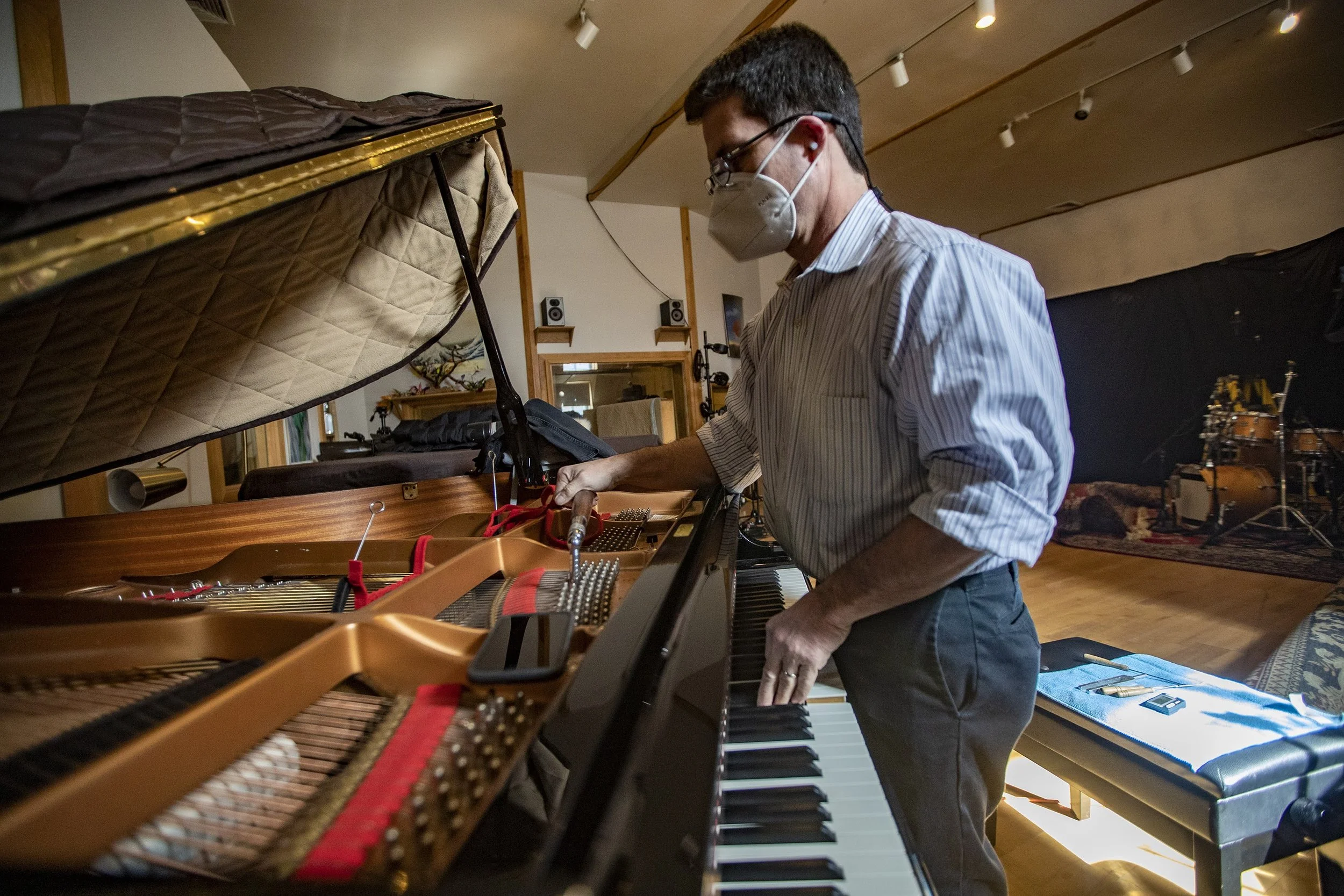
The first step in the piano refurbishment process is to inspect the piano thoroughly. During the inspection, the piano technician will evaluate the condition of the piano, including its soundboard, strings, hammers, keys, and other components. The technician will also examine the piano's cabinet and exterior, checking for any cracks, dents, or scratches. Based on the inspection results, the technician will develop a plan for the refurbishment process, including a list of necessary repairs and improvements.
Step 2: Cleaning
Once the inspection is complete, the next step is to clean the piano. Cleaning is an important part of the refurbishment process, as it helps to remove dirt, dust, and debris that can accumulate inside the piano over time. During the cleaning process, the technician will remove the piano's keys and clean each one individually. They will also clean the soundboard, hammers, strings, and other internal components, using special tools and techniques to reach every nook and cranny.
Step 3: Tuning
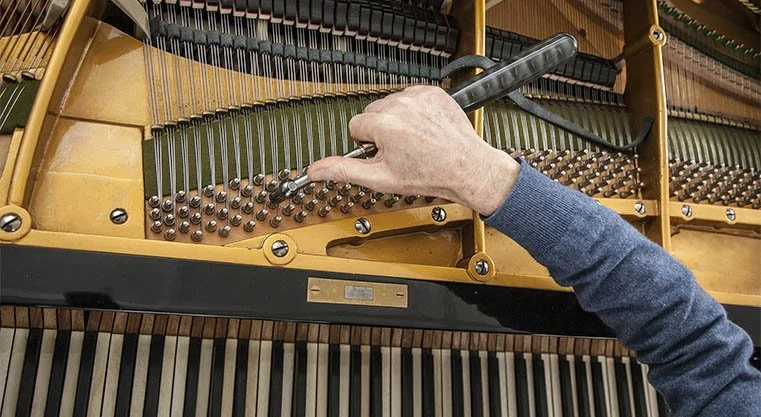
After the cleaning is complete, the next step is to tune the piano. Tuning is the process of adjusting the tension of the piano's strings to produce a specific pitch. Piano tuning is a delicate and time-consuming process, as each string must be adjusted individually. A well-tuned piano should produce a rich, warm tone, and produce a consistent sound across all keys.
Step 4: Regulation
Once the piano is tuned, the next step is to regulate the action. Regulation refers to the adjustment of the piano's action, including the hammers, keys, and other components that are responsible for producing sound. During the regulation process, the technician will adjust the height of the hammers, the touchweight of the keys, and the alignment of the action components to ensure that the piano plays evenly and responsively.
Step 5: Refinishing
After the regulation is complete, the next step is to refinish the piano's cabinet and exterior. Refinishing involves removing the existing finish and applying a new one, either in the original color or a new one. The refinishing process can be time-consuming, but it is important for restoring the piano's appearance and protecting it from future damage. During the refinishing process, the technician will carefully sand, stain, and lacquer the piano's cabinet and exterior, paying close attention to details to ensure a flawless finish.
Step 6: Repairs
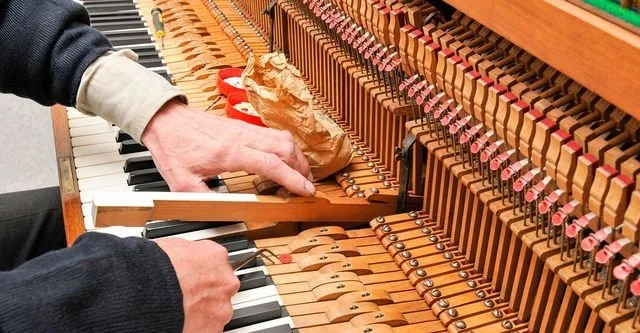
The final step in the piano refurbishment process is to make any necessary repairs. This may include fixing cracks in the soundboard, replacing broken strings, or repairing dents or scratches in the piano's cabinet. Repairs may also be needed to address any issues identified during the inspection process, such as broken keys or malfunctioning components. The technician will use high-quality materials and techniques to make repairs, ensuring that the piano is restored to its original condition.
Conclusion
Piano refurbishment is an important process for restoring the performance and appearance of your piano. The refurbishment process involves a series of tasks, including inspection, cleaning